
Where fear fades and curiosity grows: Rethinking inclusion on International Day of People with Disabilities
To mark International Day of People with Disabilities, we invited Firstport alum Danielle Gaffney du Plooy, founder of social enterprise Uppertunity, to spotlight the voices of the people she supports. Danielle shares how Uppertunity is building a world where individuals of all abilities can truly belong, grow, and thrive.
What do we actually mean when we talk about diversity and inclusion? The words appear everywhere, yet when you listen to the people living behind them, they take on a far deeper texture.
I often start with nature, because nature reminds us of what we forget. A forest cannot survive if every tree is the same. One disease, one storm, one harsh season, and the whole thing collapses. Resilience comes from variety, different roots, shapes, and ways of surviving. A thriving forest works because every part matters.
Our communities and systems aren’t any different. Diversity is not a problem to solve; it’s a strength that keeps us standing. And yet, despite 1.3 billion people (17% of the world’s population) living with a disability, accessibility and inclusion remain afterthoughts. The consequence is not only individual hardship. Entire communities feel the impact.
At Uppertunity, we’ve been exploring what an inclusive society looks like in practice. Not in policy statements, but in the day-to-day lives of our members. These are people navigating education, work, travel, social spaces, loneliness, dreams, and barriers, many of which stay invisible unless you slow down and listen.
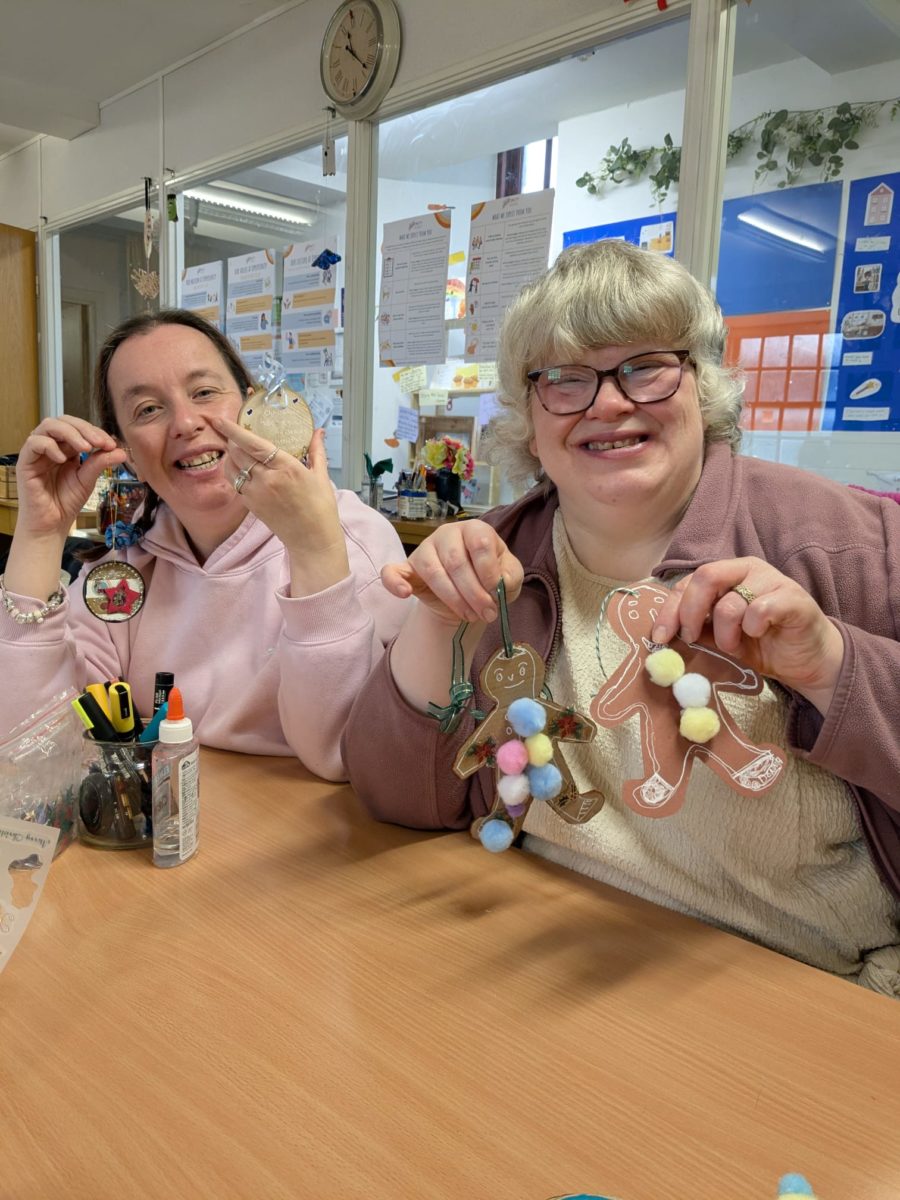
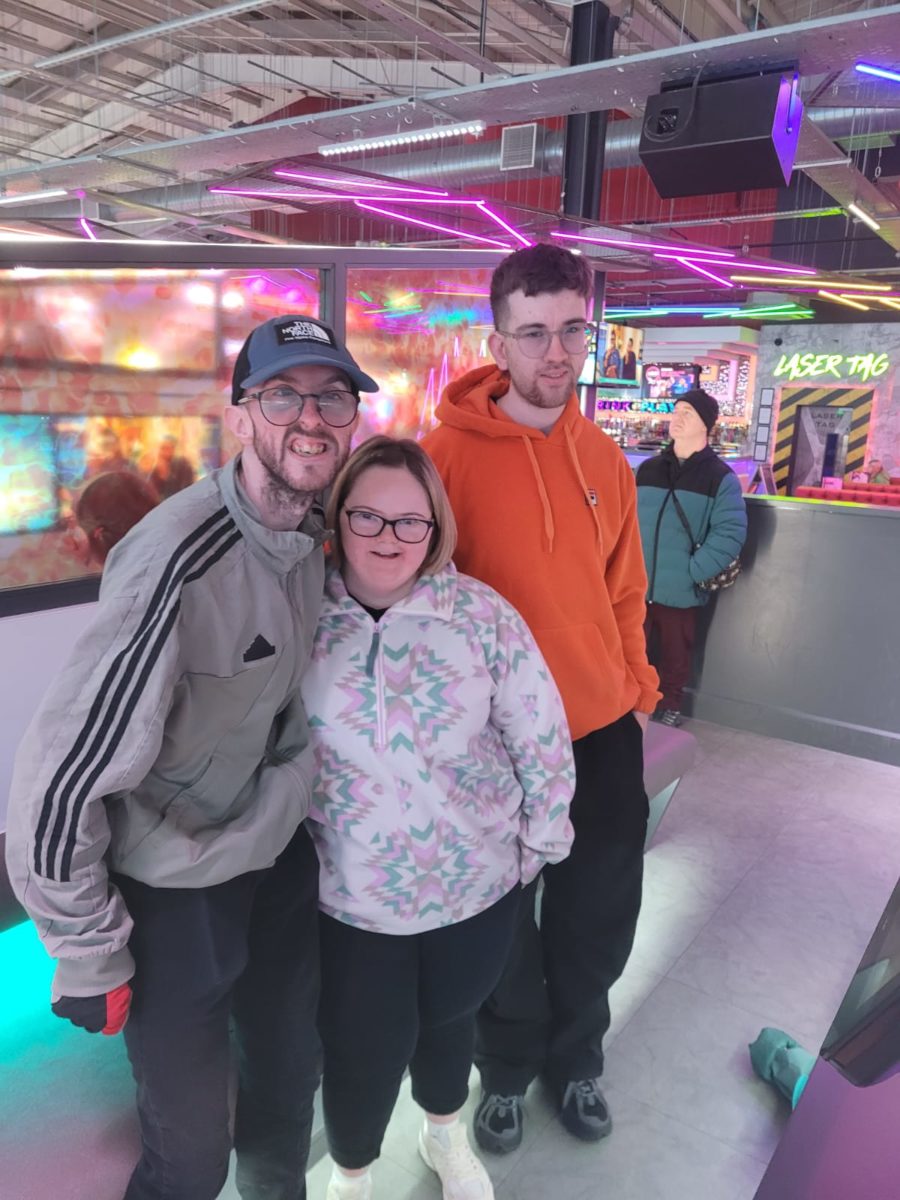
Their stories reveal something important: many barriers aren’t created by prejudice, but by fear. Fear of saying the wrong thing. Fear of making a mistake. Fear of difference. And when fear replaces curiosity, inclusion crumbles.
To understand what people experience, we gathered their perspectives.
One young person said:
“Socialising. That’s the big one. People don’t realise it doesn’t come naturally to everyone. Teaching people how to start a conversation and continue it, that’s what we need for life.”
They described people talking over them and being judged on “bad days” when their communication or energy changed:
“Just because I can do something some days doesn’t mean I can do it every day. The system doesn’t get that.”
Others echoed this. One member who uses a communication board said:
“It holds me back. People stare.” Another said, “People talk down to me because I use a wheelchair. Or they talk over me, like I’m not there.”
Across interviews, several themes appeared: limited opportunities, inconsistent support, lack of clarity around services, and systems that feel confusing or punishing.
One parent described a volunteering opportunity his daughter loved, but they had to withdraw because taking part risked her benefits:
“It took something meaningful away from her. There’s a difference between occasional volunteering and being able to work.”
A young man shared that he often spends days “walking around town,” because finances and limited support restrict where he can go.
And yet, within these barriers, there is resilience. People keep going by speaking up, asking for help, and leaning into the support they have. One member said:
“If someone is being too supportive, I tell them: I can do this. Step back.”
Confidence often comes from feeling understood.
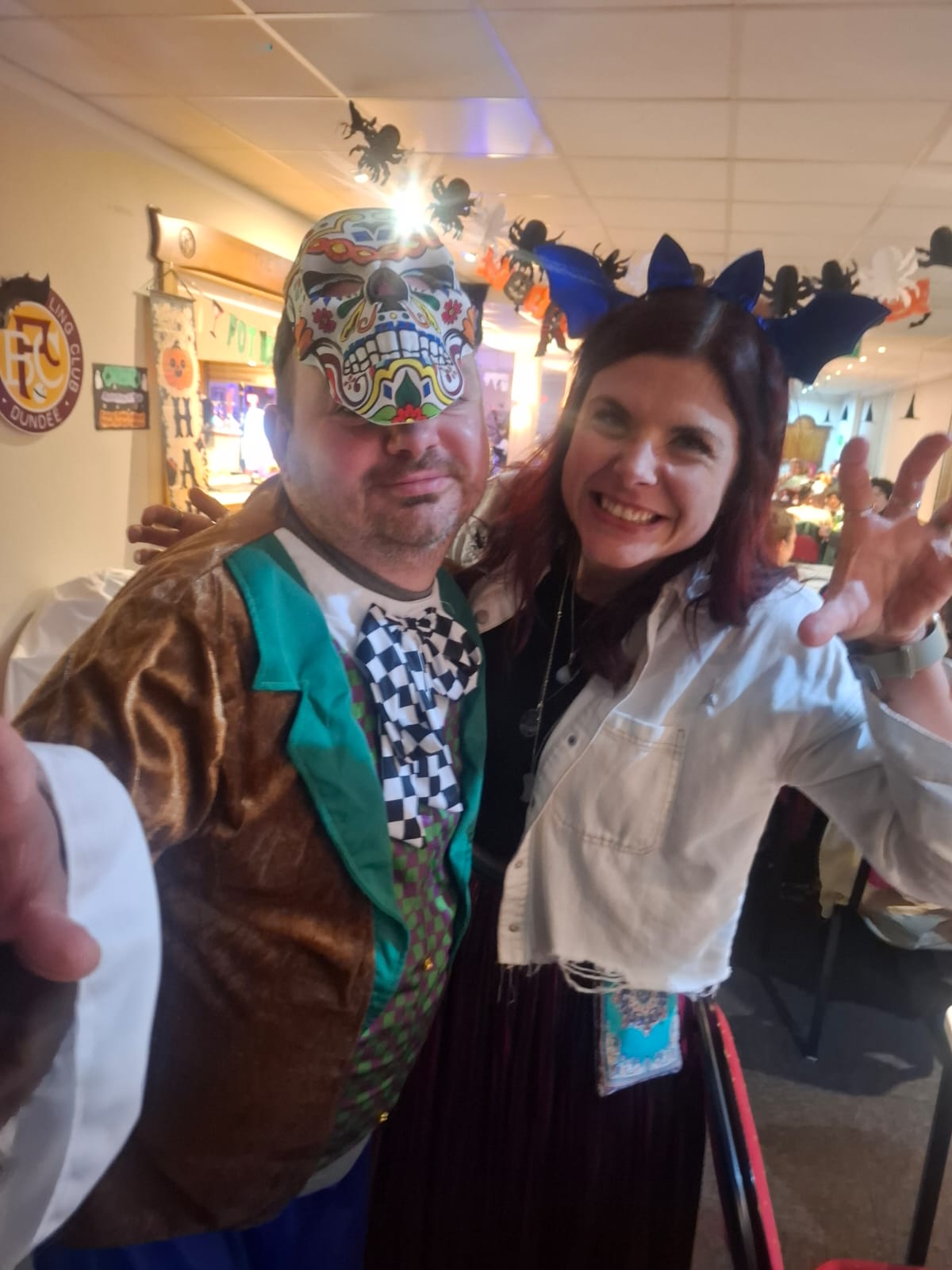
When asked what helps most, people were clear:
- support workers who listen
- peers who “get it”
- safe spaces to practice social skills
- chances to be part of community life
- staff who encourage rather than rush
What ties this together is something simple: conversation. Teaching people, with and without disabilities, how to communicate, listen, and connect. We often assume these skills come naturally, yet for many they do not. Like any skill, they must be learned and practiced. Perhaps we have underestimated soft skills, and placed too much emphasis on hard ones.
One member captured the heart of the matter:
“Life would be easier if people treated me the same as everyone else.”
It’s a simple sentence, yet it carries a truth we overlook.
Often, separation isn’t created by hostility but by the subtle ways people are treated as different or ‘other’.
One person shared:
“Educate people from a young age. Teach them so they’re not scared, so they don’t stare.”
Fear came up repeatedly, not their fear, but other people’s. The fear of doing the wrong thing. The fear of not knowing. The fear that leads to distance and then exclusion.
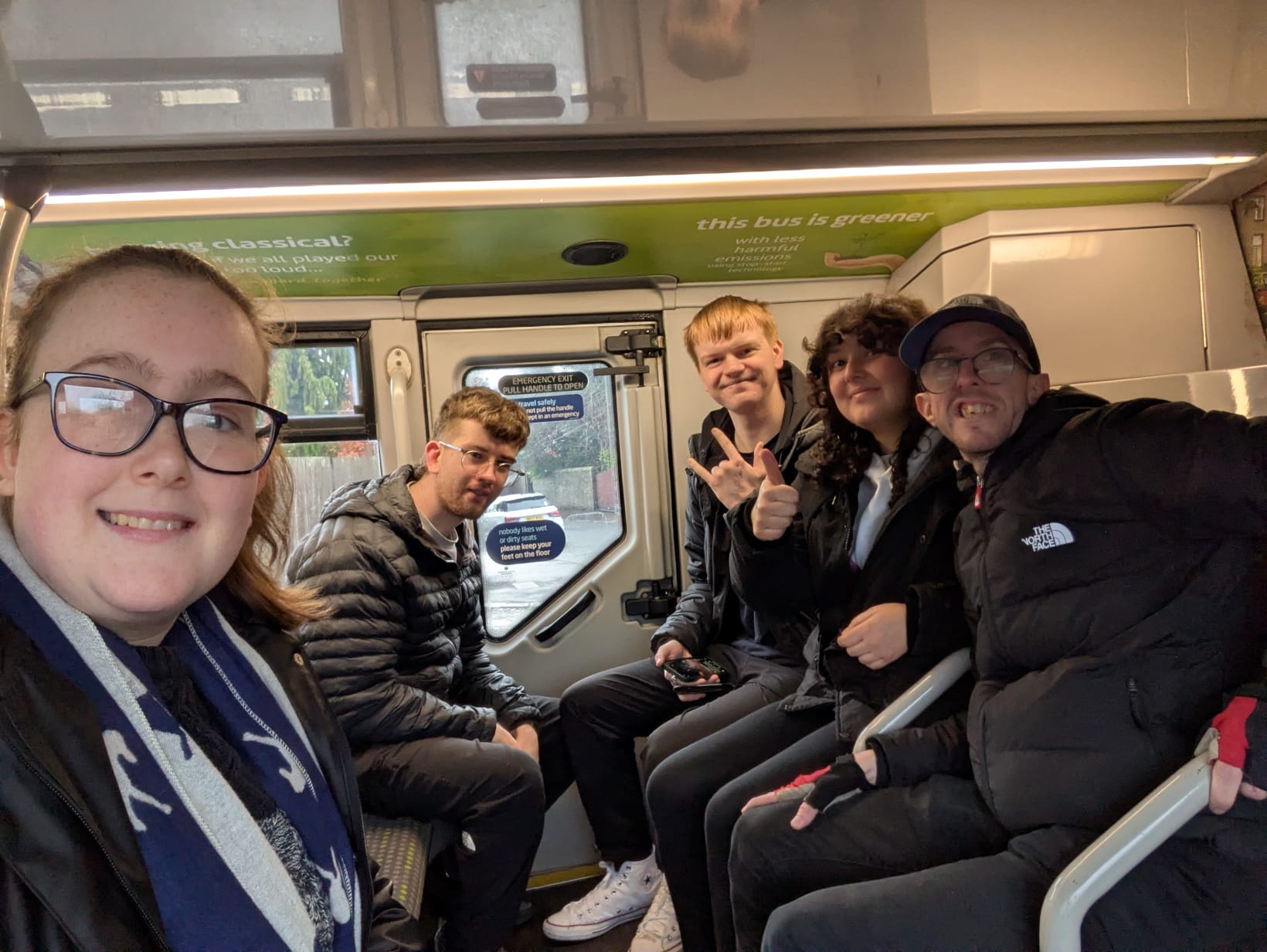
This is where curiosity matters. Curiosity says: I might not know, but I want to learn. It builds connection. It grows resilience. It turns a forest of identical trees into one capable of surviving change.
At Uppertunity, we’re creating more spaces for these conversations. Nothing grand or rigid, just small pockets where people can meet, speak, learn, and grow.
Communities thrive when there are many different kinds of organisations, not just a few large ones. Small places doing thoughtful work, connected to one another. That’s the ecosystem we’re trying to build.
The voices shared here are only a handful, but they reveal what an inclusive society needs: flexibility, understanding, education, connection, and systems that reflect real lives. We learn and adapt as nature does.
As we mark the International Day of Persons with Disabilities, perhaps the question isn’t “How do we include people?” but “What would our communities look like if everyone belonged without question?”
Danielle Gaffney du Plooy is the Founder & Manager at Uppertunity, a Dundee-based charity and social enterprise that empowers neurodivergent individuals and those with learning disabilities to build confidence, independence, and a sense of belonging. A creative psychotherapist and entrepreneur, Danielle is passionate about empowering people to think differently, challenge systems, and build a more sustainable, inclusive world. You can connect with Danielle on LinkedIn or follow Uppertunity on their website or Facebook.
If you have any questions, please email us at info@firstport.org.uk