
Why women’s history matters today: Lessons from Scotland’s suffragettes for the next generation of changemakers
Written by Firstport alumni Clare Thompson and Dr t s Beall from Protests and Suffragettes CIC, this article marks International Women’s Day and Women’s History Month, highlighting Scotland’s suffragettes and why women’s history still matters today.
How do young people today discover the powerful women from the past who shaped our democracy – and how can those stories inspire the changemakers of the future?
These questions feel especially urgent as we approach an important milestone in British democratic history.
The 2028 Equal Franchise centenary: a turning point in democracy
In 2028 the UK will mark the centenary of the Representation of the People (Equal Franchise) Act 1928 – the moment when women’s voting rights were finally extended on equal terms with men. A decade earlier in 1918, some women were able to vote for the first time, but that earlier legislation excluded many: men under 21, women under 30, and women over 30 who did not meet property qualifications.
The Equal Franchise Act represented an historic step toward democratic equality. Yet the journey toward equal representation – in politics, in education, and in the public square – remains profoundly unfinished.
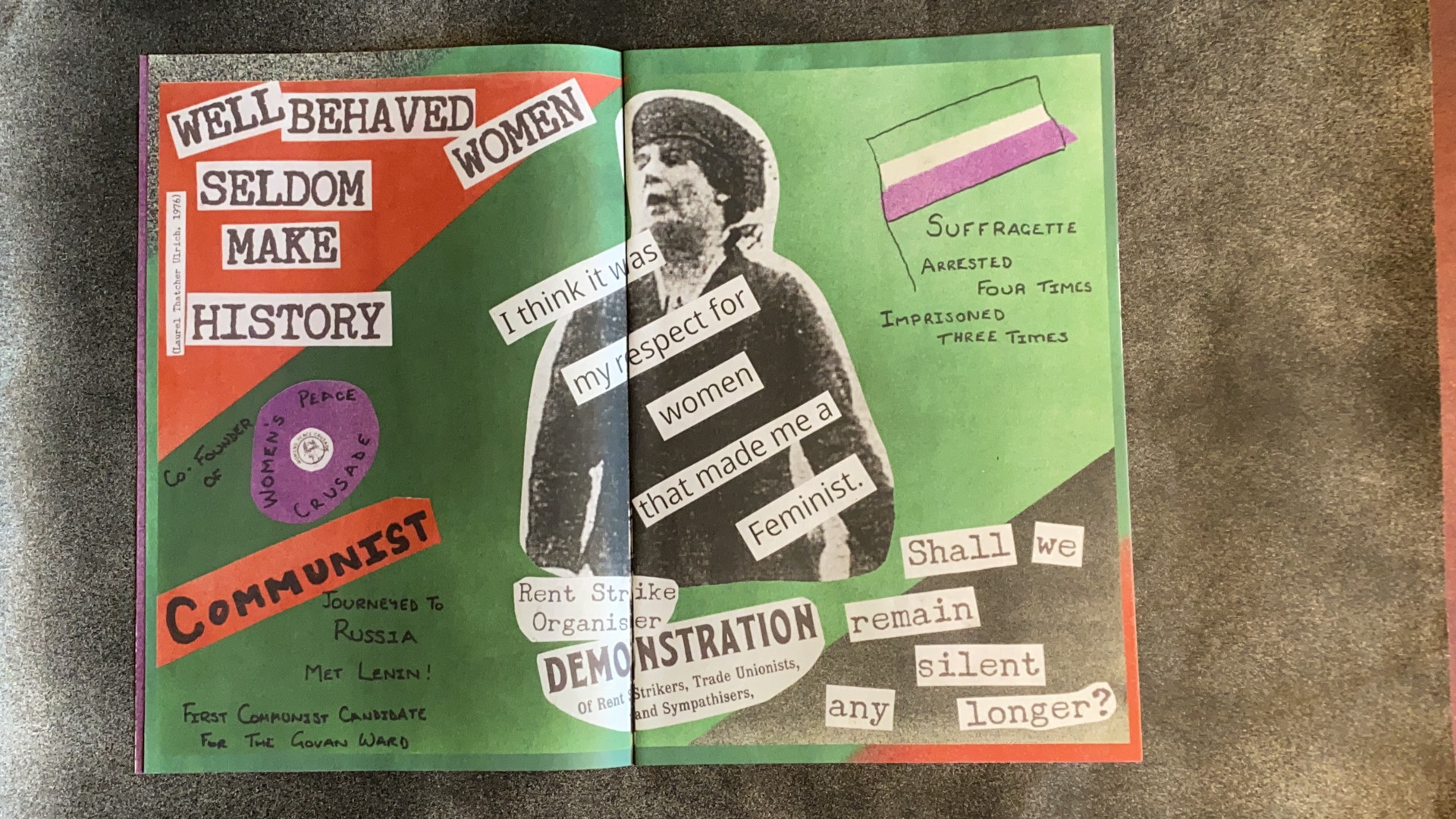
Even today women remain underrepresented in political life. Since 1918, just 369 women have been elected as MPs – only around 8% of all MPs over that entire period. Importantly, most of those women have been elected in recent decades, with 75% serving since 1980 and more than two-thirds elected since 1997. Progress has accelerated, but it has taken more than a century to reach even partial parity.
The story of the suffrage movement reminds us that change rarely happens overnight. It is built over generations through persistence, creativity, solidarity — and the courage to imagine and push towards a different future.
How the suffrage movement inspired generations of activists
The tactics of the suffrage movement were diverse and strategic. Many people are familiar with the most dramatic headlines: militant suffragettes smashing windows, or disrupting political meetings to demand attention for their cause. It is less well-known that these actions were only one part of a much broader movement for political equity.
Suffragists, self-described as the more ‘law-abiding’ or ‘non-militant’ campaigners, worked tirelessly through speeches, organising meetings, writing articles, and lobbying politicians. Activists used culture as well as protest. Plays, processions and public performances celebrated inspiring women such as Joan of Arc and Mary Wollstonecraft. These events raised funds, energised supporters, and reminded audiences that women have always shaped history.
The legacy of the suffrage movement
After the milestones of 1918 and 1928, women continued to organise and support one another in public life. Networks of women activists encouraged each other to stand for office, represent their communities, and challenge legislation that failed to recognise women’s experiences. The legacy of the suffrage movement was not simply the vote – it was a culture of collective action and mutual support.
But remembering their legacy is not guaranteed.
Why Equal Political Representation Still Matters
Across the UK, women’s contributions to history remain underrepresented in education, culture, and public life. Research shows that women make up 51% of the UK population but hold only around 40% of seats in Parliament and 38% of positions on local councils. Representation has improved over time, but progress remains uneven.
Scotland offers an important example. In 2021, women’s representation in the Scottish Parliament reached a historic high of 45% of MSPs – largely due to political parties adopting quota systems. Yet this progress remains fragile: following the 2024 General Election, only 35% of MPs elected from Scotland were women, mirroring the 35% of women elected in the 2022 Scottish council elections.
If women are not standing for election – or if structural barriers prevent them from doing so – equal representation becomes impossible.
Political representation is not just about politics. It also begins with the histories we teach and tell each other about the past.
Why women’s history in schools matters more than ever
In schools across the UK, women remain significantly underrepresented in educational curricula. Research into exam papers in England found that students were directed to discuss women in only around 6% of questions, compared with 36.5% focused on men. When women’s historical contributions are excluded from the dominant educational narrative, young people receive a powerful – and deeply misleading – message about who shapes history.
This gap in representation is increasingly concerning in the context of rising misogyny online and in schools. A 2023 report from the parliamentary Women and Equalities Committee linked growing misogyny among schoolchildren to online influencers and social media culture. Without alternative narratives and role models, young people may struggle to challenge harmful stereotypes when they encounter them.
Many people are surprised by how little of this history is widely known — which is exactly why Protests and Suffragettes CIC is working to share new stories of Scotland’s suffragettes and changemakers through our newsletter and community projects. As the late great Scottish historian Elspeth King once observed, “the women of the 1970s hadn’t a clue about what had happened in their grandmothers’ generation… and this has always been the case: achievements have been lost from generation to generation.”
This historical amnesia has consequences. When the stories of past changemakers disappear, each generation must rediscover the same struggles – often without the benefit of the knowledge, strategies and inspiration that came before.
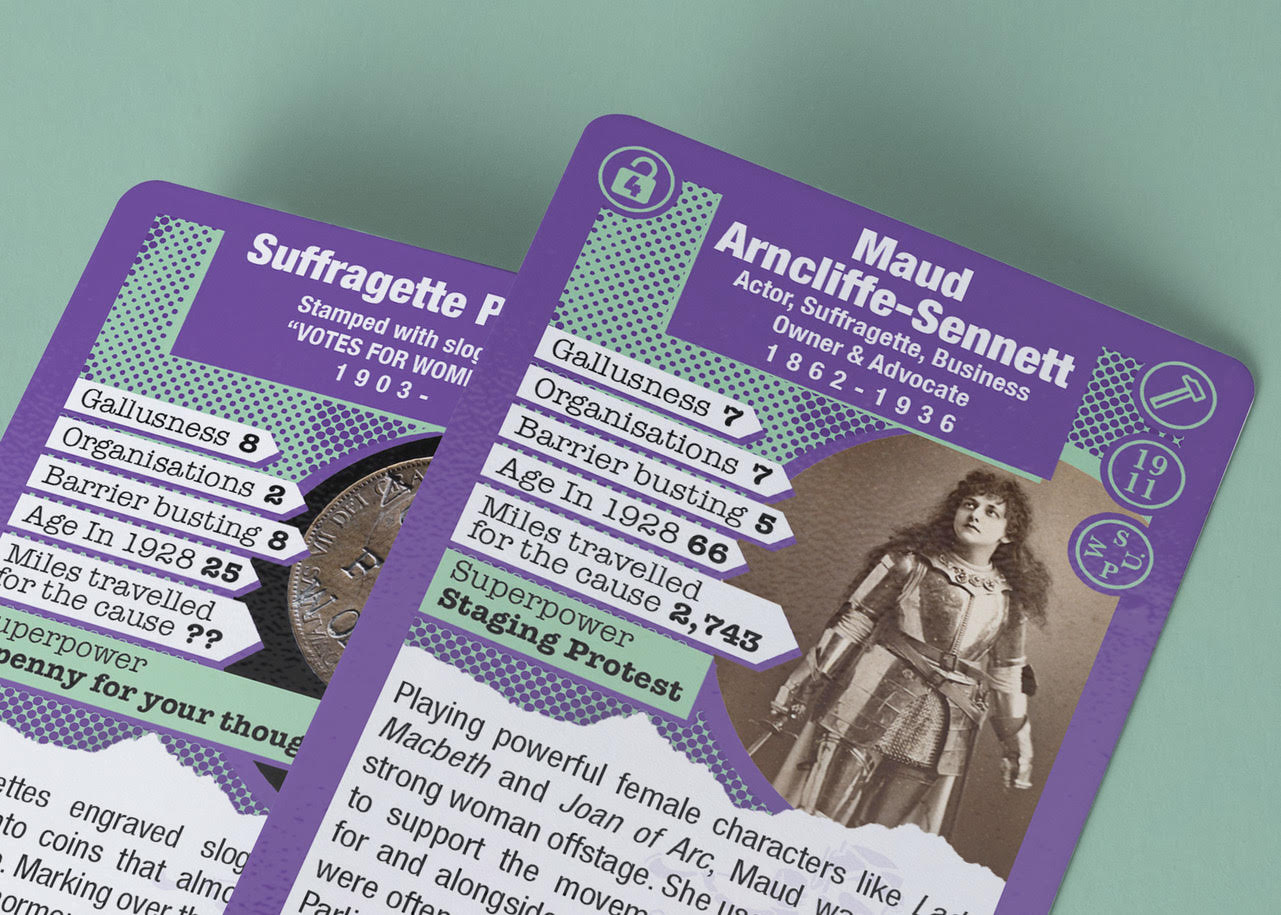
Our vision: writing women back into Scotland’s history
At Protests and Suffragettes CIC, we believe that women’s history should not remain hidden in archives or academic footnotes. Our work is rooted in a simple but powerful idea: that understanding the activism of the past can inspire the changemakers of the future. We envision a future where the stories of Scotland’s suffragettes and other women changemakers are not hidden footnotes, but vibrant, accessible narratives that inspire and empower current and future generations.
Through collaborative creative projects – including workshops, co-designed murals, educational resources, walking tours and knowledge activism through Wikipedia – we work with communities across Scotland to recover and share these stories. Our goal is to shift women’s history from academic obscurity into a living resource for community empowerment.
We aspire to create a Scotland where every community can access the rich heritage of women’s activism in their local area, where young people grow up knowing they are part of a long tradition of powerful changemakers, and where historical storytelling happens collaboratively – empowering others to recover and celebrate these stories themselves.
Because writing women back into Scotland’s history is not simply about the past – it is about the future.
When young people encounter the stories of suffragettes, rent strikers, campaigners and community organisers, they begin to recognise something powerful: that ordinary people can create extraordinary change.
As we approach the 2028 centenary of equal voting rights, this history feels more relevant than ever. The suffrage movement reminds us that progress – even slow, generational progress – is only possible when people organise, learn from one another, and vision forward into a better world.
Join the growing movement to write women back into Scotland’s history
Like the campaigners of a century ago, we can draw inspiration from the voices and tactics of those who came before us.
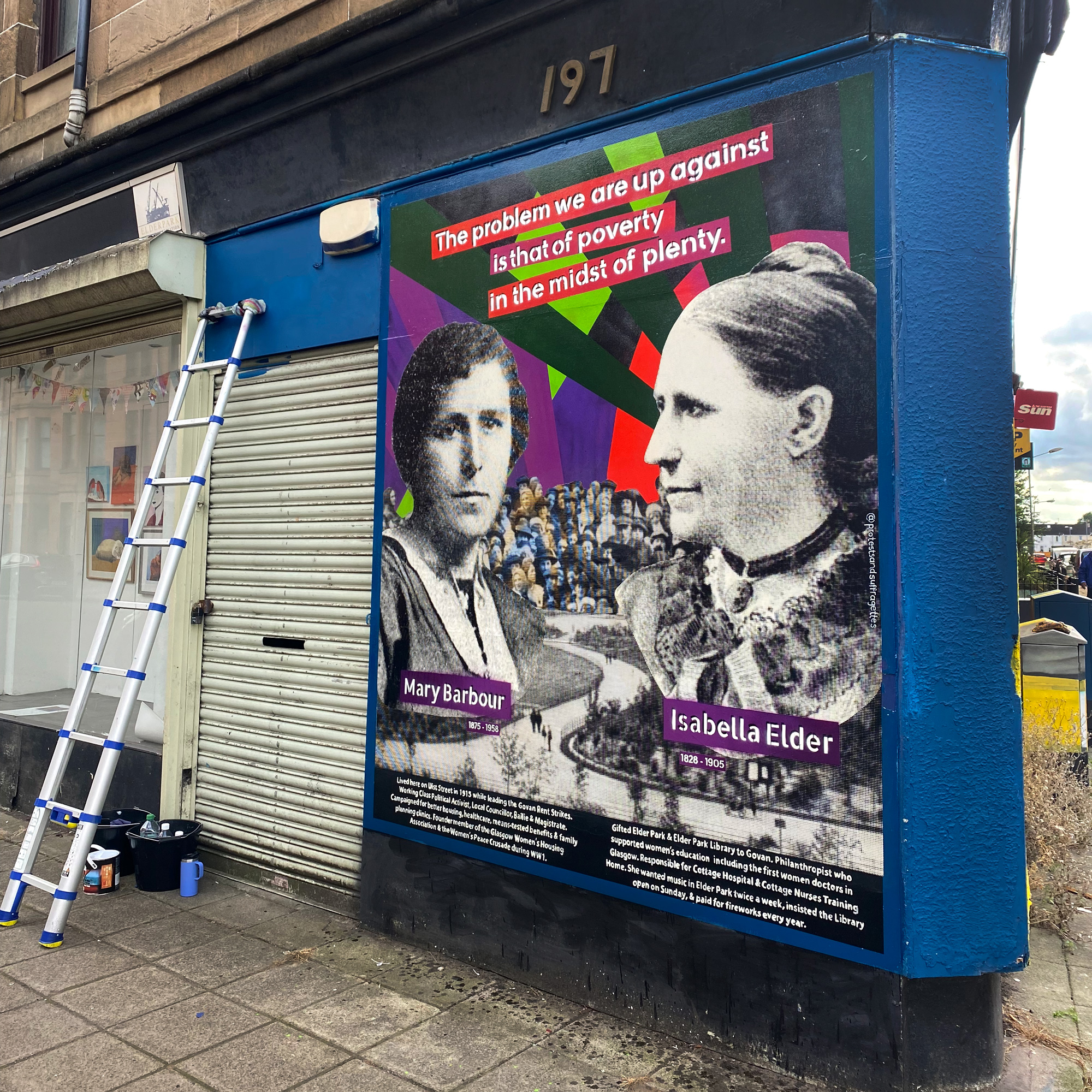
If you believe these stories deserve to be heard – and that they can inspire the next generation of changemakers – we invite you to be part of this movement.
Sign up to the Protests and Suffragettes CIC newsletter and join a growing national community of people working to write women back into Scotland’s history. You’ll hear about newly uncovered stories of suffragettes and changemakers, upcoming workshops and co-designed murals, and opportunities to take part in creative projects happening across the country.
Together we are building something powerful: a shared archive of activism, creativity, and courage that connects the struggles of the past with the possibilities of the future.
Join us – and help ensure that the voices of past changemakers continue to inspire the next generation.
Protests and Suffragettes CIC is a social enterprise highlighting women’s role in campaigns such as the fight for voting rights in Scotland. Clare Thompson is an experienced Librarian with a history of working in public, school and health libraries. She is a Director of Protests and Suffragettes CIC. Dr t s Beall is a socially engaged artist, researcher, and activist who works on projects exploring hidden histories, particularly women’s activism and social movements. She is the Lead Artist and co-Director with Clare of Protests and Suffragettes CIC.
Protests and Suffragettes CIC received Build It from Firstport in 2025. You can find out more about Protests and Suffragettes CIC on their website or follow them on Bluesky, Facebook, Instagram, Instagram Threads, LinkedIn and YouTube.