
Mental Health Awareness Week: why culturally appropriate support matters
Renae Bell, Social Investment Relationship Manager at Firstport, reflects on Adelphe Connect’s work supporting the mental wellbeing of women from minoritised communities.
This Mental Health Awareness Week, I’ve been reflecting on what mental health support really means – and for whom it works. I attended the launch of Adelphe Connect, a social enterprise supporting ethnic minority women across West Lothian, Fife, and Falkirk. What I witnessed challenged everything I thought I knew about effective mental health intervention.
A woman stood up to speak. She described arriving at Adelphe Connect feeling invisible, isolated, and unable to see a way forward. She spoke about the mental weight of poverty – not being able to afford food, energy, or her children’s needs. The shame of asking for help. The exhaustion of navigating systems not designed for her. The isolation of being in a community but feeling entirely alone.
Then she described what changed:
“Eloho gave me that confidence to get myself back, to take courage.”
That simple statement captures something mainstream mental health services often miss; mental health doesn’t exist in isolation from the material and social realities of people’s lives. You cannot address anxiety without addressing the poverty that causes it. You cannot treat depression without tackling the discrimination that feeds it. You cannot improve wellbeing without creating spaces where people feel safe, seen, and understood.
The intersection of mental health and poverty
Adelphe Connect’s founder Eloho Efemuai is a licensed Menopause Champion, personal brand strategist and radio broadcaster with deep connections to ethnic minority communities across Scotland. She understands that mental health challenges don’t appear from nowhere – they emerge from lived circumstances. When you can’t afford heating. When you’re working multiple jobs but still only just making ends meet. When you’re struggling with your confidence and how you show up. When you’re navigating immigration systems while caring for children. When you’re experiencing menopause symptoms, but healthcare providers don’t take you seriously. When you face discrimination in employment, housing, and services.
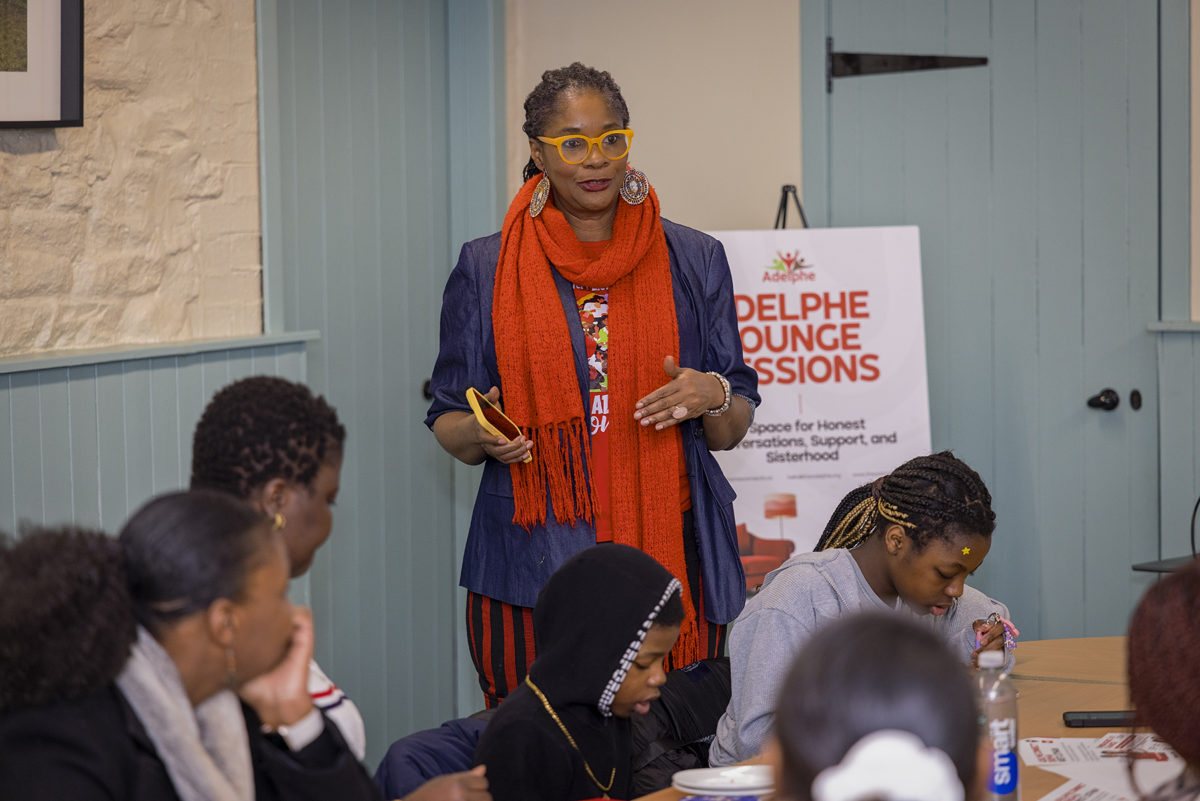
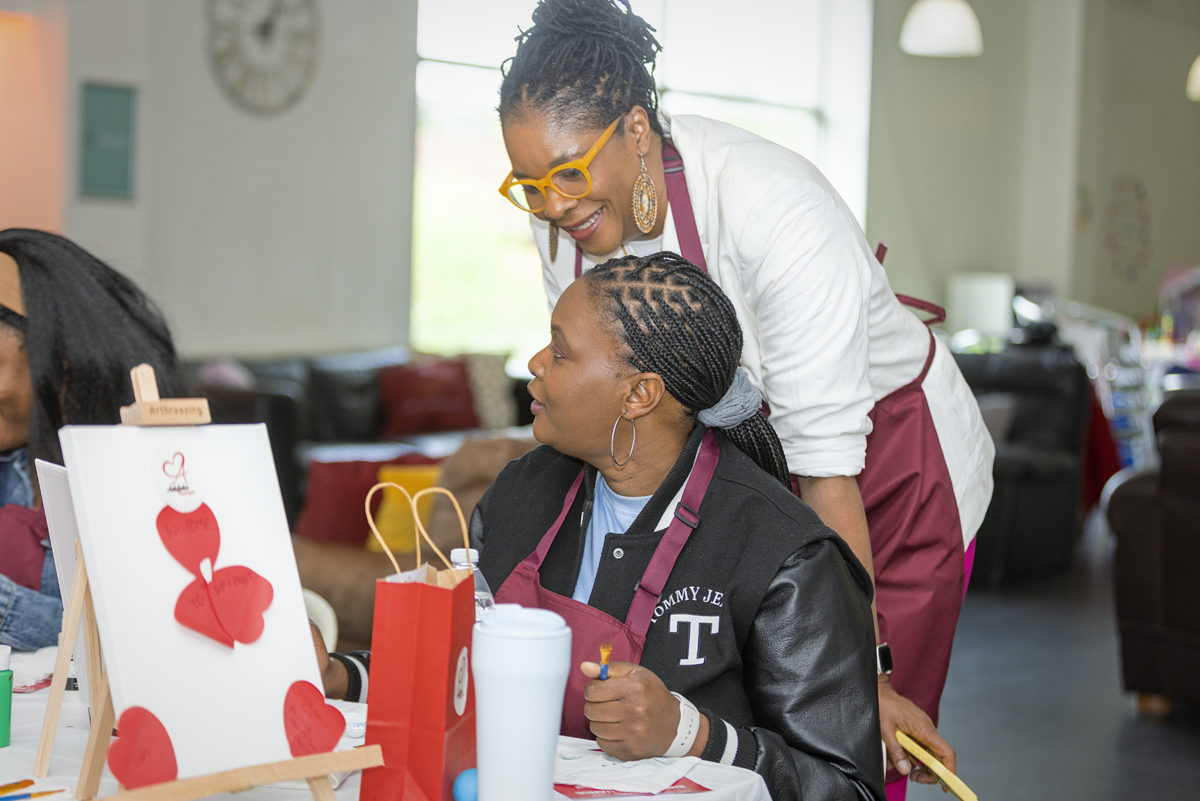
Eloho and attendees at a recent Adelphe Connect event
For ethnic minority women, these intersecting factors create a perfect storm for poor mental health. Yet mainstream mental health services often approach these issues individually, missing the bigger picture. Adelphe Connect takes a different approach: address everything together. Mental wellbeing support sits alongside practical help with cost-of-living pressures, immigration guidance, confidence and communication workshops, budgeting workshops, employability support, and health advocacy. Because you cannot separate a person’s mental health from their circumstances.
Why culturally appropriate spaces matter
Another woman at the launch reflected on watching someone transform over months:
“I remember when you first came, and you were just in the corner looking at everyone like, who are these people? But today… I’m so proud that you’re speaking.”
That journey – from corner to stage – didn’t happen through clinical intervention. It happened because Adelphe Connect created a space where women could be themselves. Where the facilitators shared their cultural background and understood their experiences. Where other women had faced similar challenges and could offer peer support grounded in lived reality. Where asking for help didn’t carry shame because everyone understood the systemic barriers that created the need.
Adelphe Connect’s Chair is a migrant woman with lived experience of the challenges their beneficiaries face. Many staff, directors and volunteers share backgrounds with the women they support. This isn’t tokenism – it’s essential infrastructure for trust. Women access Adelphe’s mental wellbeing support because they see themselves reflected in the organisation. They know the team understands discrimination, immigration challenges, language barriers, and cultural isolation not theoretically, but experientially.
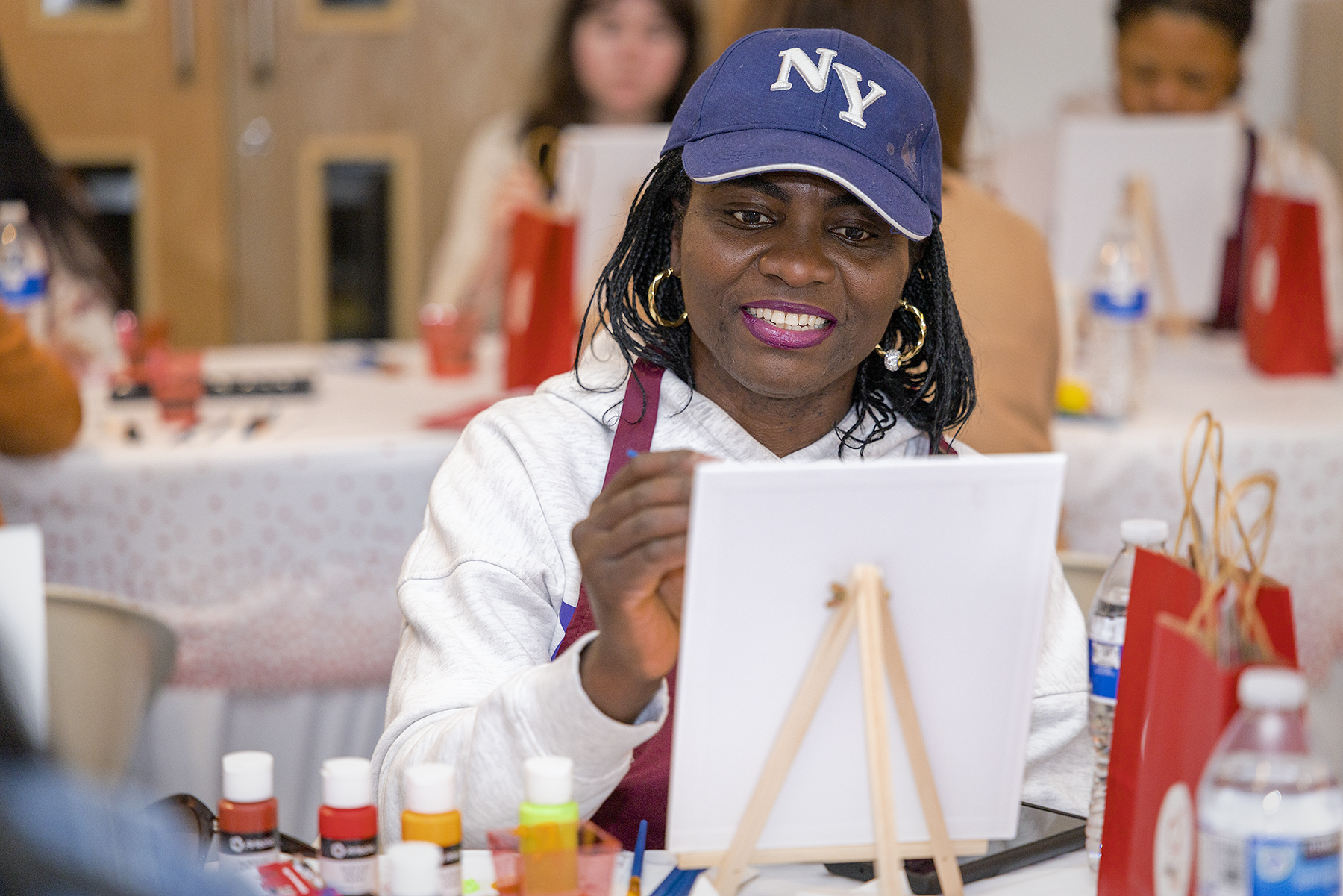
A recent Adelphe Connect event
The long game: building confidence, not just managing symptoms
Mainstream mental health services often focus on symptom management. Adelphe Connect focuses on confidence building, capability development, and creating pathways out of the circumstances that harm mental health in the first place. Their one-to-one coaching and workshops cover mental wellbeing, yes – but also personal development, communication skills, employability, financial capability, and understanding health conditions like menopause that profoundly affect wellbeing.
The impact is tangible. Women who come to Adelphe Connect facing poor mental health alongside poverty, isolation, and discrimination often go on to return to education, secure employment, start businesses, and build supportive networks. One woman who lost her job after a fall completed Adelphe’s 12-week programme, rebuilt her confidence, began volunteering, returned to study, and restarted her own business. That’s not just improved mental health – that’s transformed life circumstances that support sustained wellbeing.
What we can learn
During Mental Health Awareness Week, we often hear about the importance of ‘talking about mental health’ and ‘seeking help.’ These messages are important. But they’re incomplete if the services people are meant to access don’t understand their reality, don’t address the root causes of their distress, and don’t create safe spaces for honest conversation.
Adelphe Connect shows what’s possible when mental health support is:
- culturally appropriate – led by people with lived experience who understand the intersecting challenges of racism, poverty, migration, and discrimination
- holistic – addressing mental health alongside poverty, physical health, immigration status, employment, and social isolation
- community-based – creating peer support networks where women aren’t just service users but part of a community that ‘shows up’ for each other
- practical – providing both emotional support and tangible help with immediate needs like food, energy, and emergency costs
- empowering – building confidence and capability rather than just managing symptoms
One woman who spoke at Adelphe’s launch said something else that stayed with me:
“Before Adelphe, I felt invisible. Now I have friends, I understand my rights, and I know where to get help.”
That’s the outcome we should be aiming for – not just reduced symptoms, but people feeling visible, connected, informed, and capable of navigating their lives with confidence.
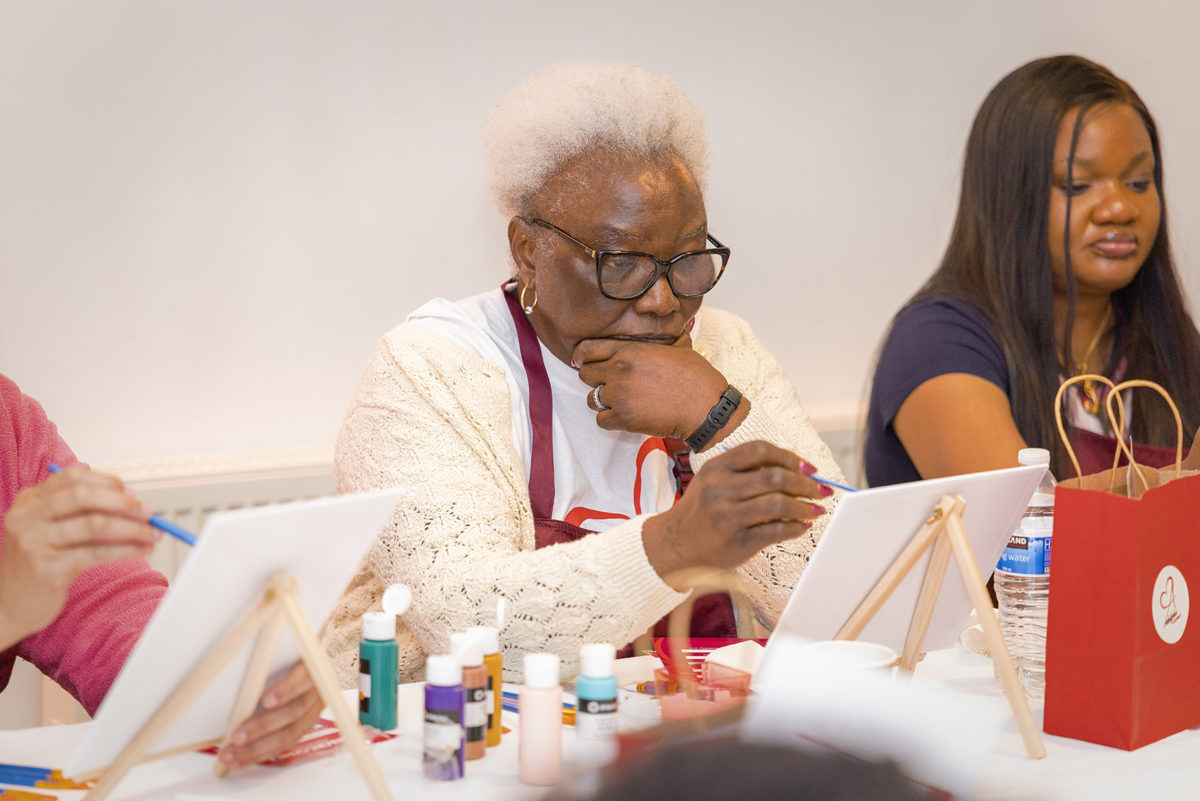
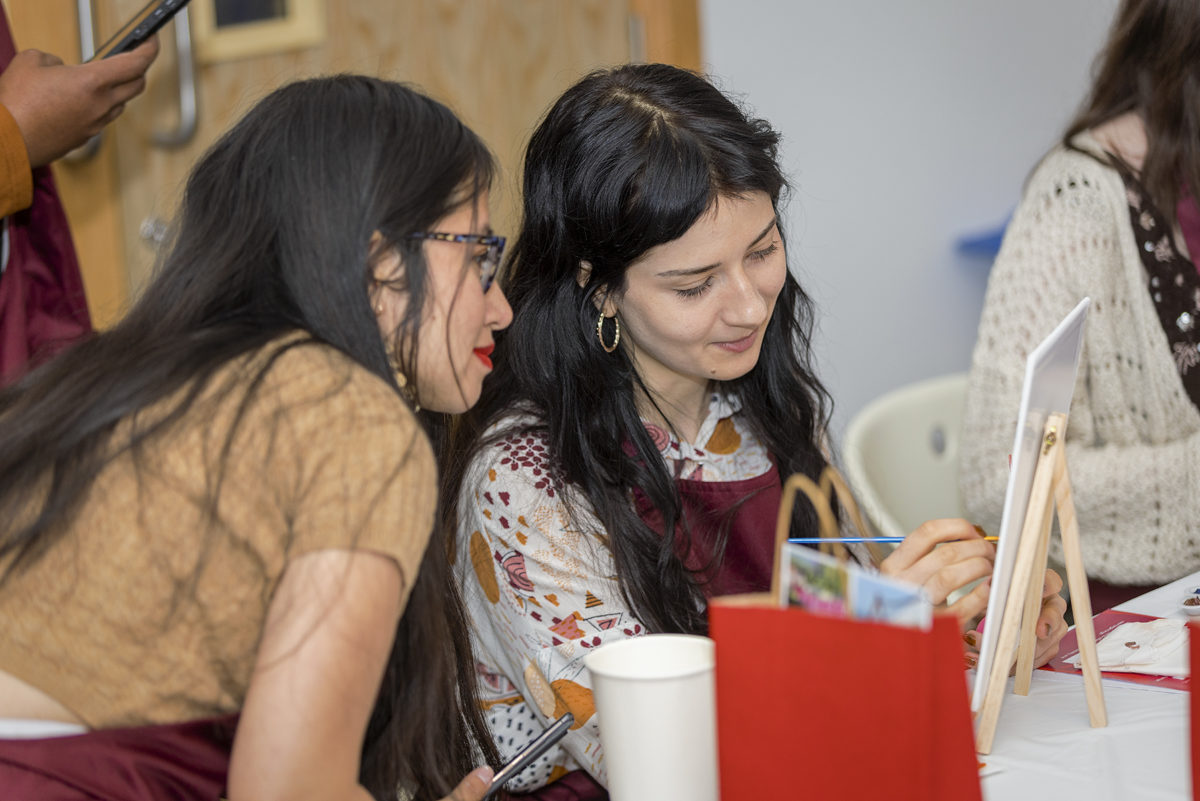
A recent Adelphe Connect event
This Mental Health Awareness Week, let’s talk not just about mental health in the abstract, but about the specific, practical, culturally grounded support that works for marginalised communities. Let’s celebrate organisations like Adelphe Connect that are doing this work every day, often with limited resources and insufficient recognition.
And let’s remember you cannot improve mental health without addressing the poverty, discrimination, and systemic barriers that harm it. Mental health support that ignores these factors isn’t really support at all.
Renae Bell
Social Investment Relationship Manager, Firstport
Adelphe Connect is part of Firstport’s LaunchMe investment readiness programme. If you work with women from minoritised communities, migrant communities, or organisations addressing poverty and inequality in Scotland, reach out to Adelphe Connect.