
Pride needs infrastructure, not a plaster
Our board member Cecilia Righini (they/them), founder and Creative Director of Studio Lutalica, shares why Pride still needs to be a protest, and why funders must support LGBTQ+ organisations to build capacity beyond the month of June.
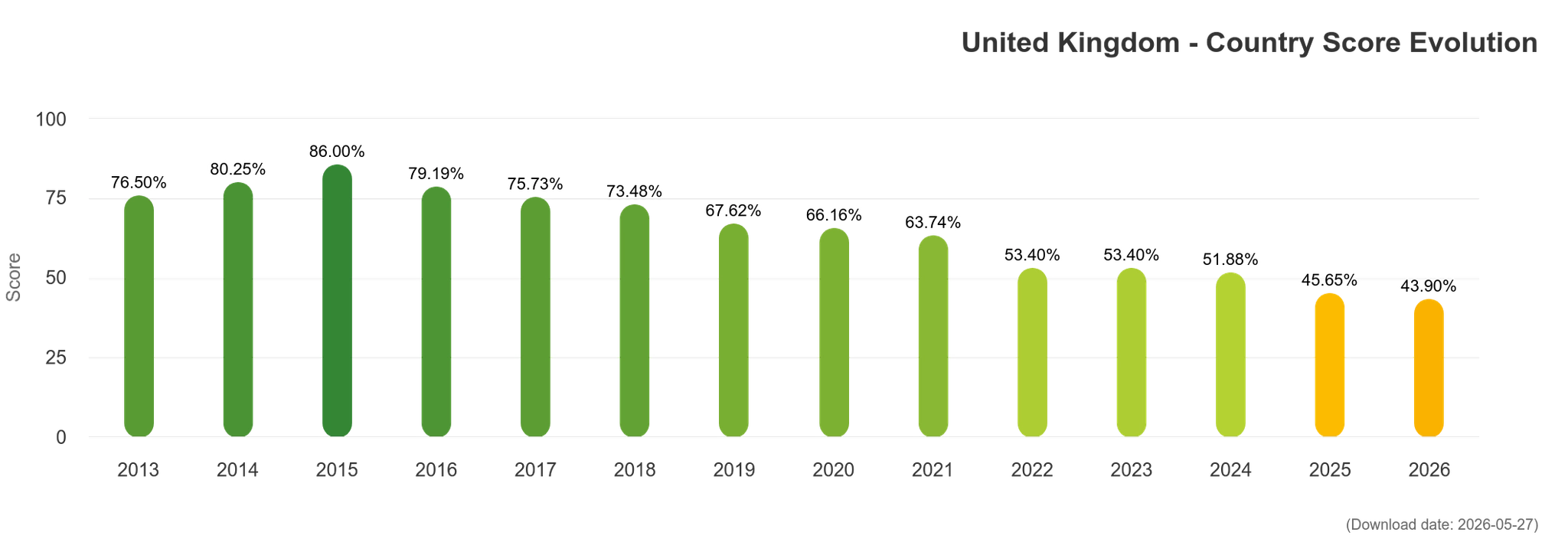
This year, the UK slipped further down the International Lesbian, Gay, Bisexual, Trans and Intersex Association (ILGA) Europe Rainbow Map – the annual ranking of how well European countries protect LGBTQ+ rights. We were once close to the top. Now, following the Supreme Court’s recent reinterpretation of the Equality Act, we’re watching trans rights roll back and anti-LGBTQ+ rhetoric move from the fringes of public life to centre stage.
For this reason, Pride must remain a protest. When it’s loud, visible, and refuses to be polite, Pride can change policies and laws. But Pride is only the tip of the iceberg. There’s also everything that happens between the marches – the year –round, day-to-day work of LGBTQ+-led organisations that holds our communities together while the political weather gets worse.
Queer people exist in July, too (and the rest of the year)
LGBTQ+ people don’t disappear once the floats and rainbow glitter have been packed away. Neither do the organisations supporting them.
The performative Pride economy of the last decade – rainbow logos, June-only campaigns, a flood of brand collab requests – was always a fragile foundation. This year, even that has thinned. Talking about LGBTQ+ people, and trans people especially, has become controversial again. And with that, a lot of the noise – even if tokenistic – has quietened, exactly when it’s needed most.
What our community actually need isn’t a louder June. It’s infrastructure: the brand, comms and digital capacity that lets queer- and trans-led organisations be found, trusted, and funded all year round.
Capacity is the issue
In Scotland, nearly 80% of charities operate on under £100k a year. Just ~3% of charities take home 75% of the sector’s entire income, while 62% of charities are left to fight over just 2% of the wealth (SCVO, State of the Sector 2024). The picture for social enterprises is just as tight. Across the UK, the median social enterprise turnover dropped from £100,000 in 2023 to £75,000 in 2025 (Social Enterprise UK, Backbone of Britain: State of Social Enterprise 2025). And of all UK charities and social enterprises, just 0.4% offer support on LGBTQ+ issues – with most of those operating on incomes below £10,000 (Social Enterprise UK, Overcoming Hate). Add intersectional barriers – being women-led, queer-led, trans-led – and that gap only widens.
It’s a vicious cycle. Organisations with capacity can invest in comms, fundraising and digital infrastructure, and keep attracting funding. Organisations without it are stuck firefighting. And the reality for LGBTQ+-specific funding has become harder, not easier, with major UK funders and foundations open to Community Interest Companies (CICs) shifting their LGBTQ+-specific support into broader ‘underrepresented communities’ funds.
Meanwhile, many funders still prefer to fund programmes – a campaign, an event, a one-off service – as it’s much easier to demonstrate clear, quantitative impact on these. Almost no one pays for capacity: the unglamorous, year-round work of being a sustainable organisation. Without this, every programme is a plaster.
What capacity-building actually looks like
At Studio Lutalica, our Community Impact Programme is working to bridge that gap. Since 2020, we’ve supported 52 women- and LGBTQ+-led organisations – around 24% of our client base – and redistributed over £56,000 in subsidised and pro-bono design and digital work.
This year, our focus has sharpened on trans communities, the part of our community suffering most under the current climate. Our Designing for Trans Futures campaign is putting professional design support directly into trans-led hands.
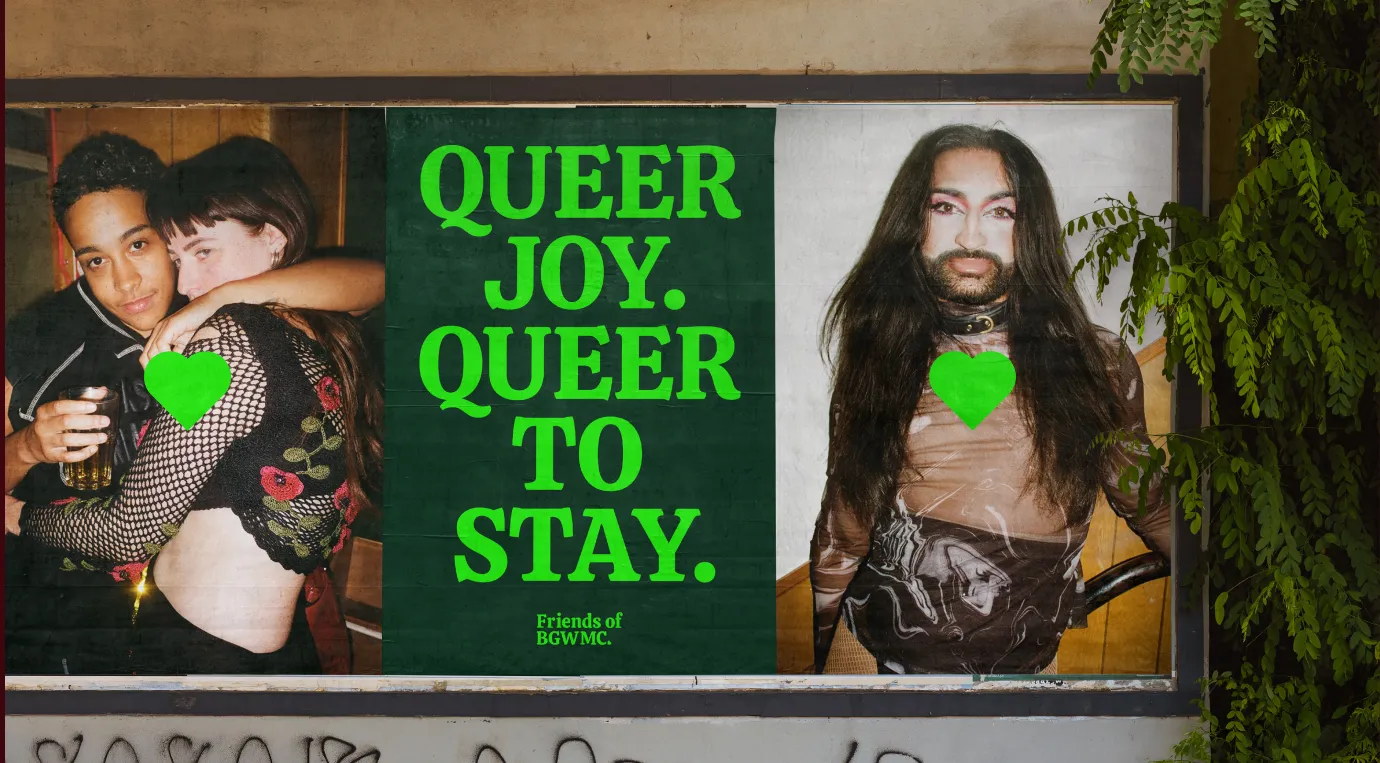
During this time, we’ve helped to save a historic LGBTQ+ venue by designing a campaign that raised nearly £20,000 in crowdfunding. We empowered two impact-driven health-tech startups from marginalised communities to raise over £3 million in investment and built NHS partnerships. We also designed the campaign that led to the first parliamentary debate on youth homelessness in over 40 years.
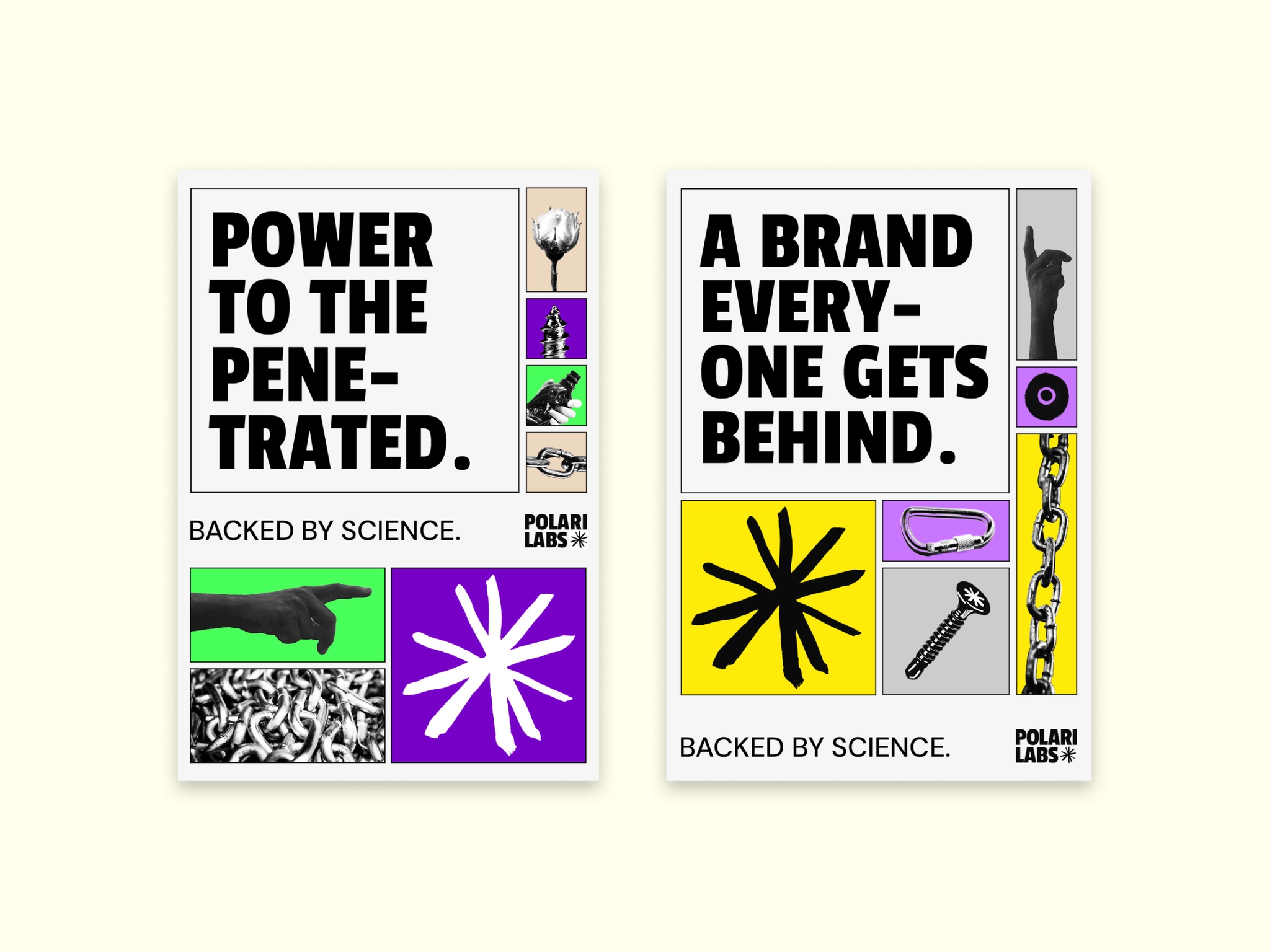
None of that is putting a plaster – it’s infrastructure that outlasts a campaign and supports LGBTQ+ organisations in the long term.
When funders back the foundations
None of this would exist without funders who understand that capacity-building isn’t a soft outcome – it is the outcome.
Firstport has been the only funder so far able to look past performative numbers and see the redistributive model we’re building, and then backed our capacity to deliver it. LaunchMe helped us – and me specifically as a queer, non-binary, neurodivergent founder – get investment-ready. Build It funded the capacity behind the conception of our Community Impact Programme. Step Up helped us grow that initial plan beyond its first year.
Now, as a board member, I get to see that same approach from the inside. Firstport doesn’t just welcome diversity – they actively seek it, and deliberately recruit diverse voices onto the board because they know proactive inclusion is structurally different to reactive tolerance.
What’s mattered most, to me personally, has been being welcomed as my full self at every step. Not fitted in, not tolerated, but proactively welcomed. That’s what infrastructure-for-people looks like. And it’s precisely the same logic we apply to our clients – we build the systems that foster the values we preach.
What is Pride for, today?
Pride is still a protest – for policy, for rights, for safety. But it’s also a funding strategy.
Fund the LGBTQ+ social enterprises doing redistributive work. Fund the trans-led campaigns building a more inclusive future. Fund capacity, not just output.
Because social enterprise isn’t about getting rich, it’s about doing the work that needs to be done sustainably – so that one day, fewer charities have to exist to fill the gaps left behind.
Cecilia Righini is a Firstport board member, they are the founder and Creative Director of Studio Lutalica, a non-profit design practice focused on inclusive, accessible and sustainable outcomes.